How GLP-1 Affects the Body’s Response to Food
GLP-1 medications are copies of a naturally occurring hormone in your body. This hormone helps to regulate how quickly food passes from your stomach and into the rest of your body, as well as how your blood sugar responds to food. As a result, food stays in your stomach longer, and your brain gets a stronger signal that you have eaten enough.
This means that not only are you eating less food, but you are eating food in a different way than you did before. Meals that were once normal may now feel heavy or uncomfortable. Foods that you once craved may no longer feel exciting or worth eating. This is not a problem, and it does not mean that something is wrong with you.
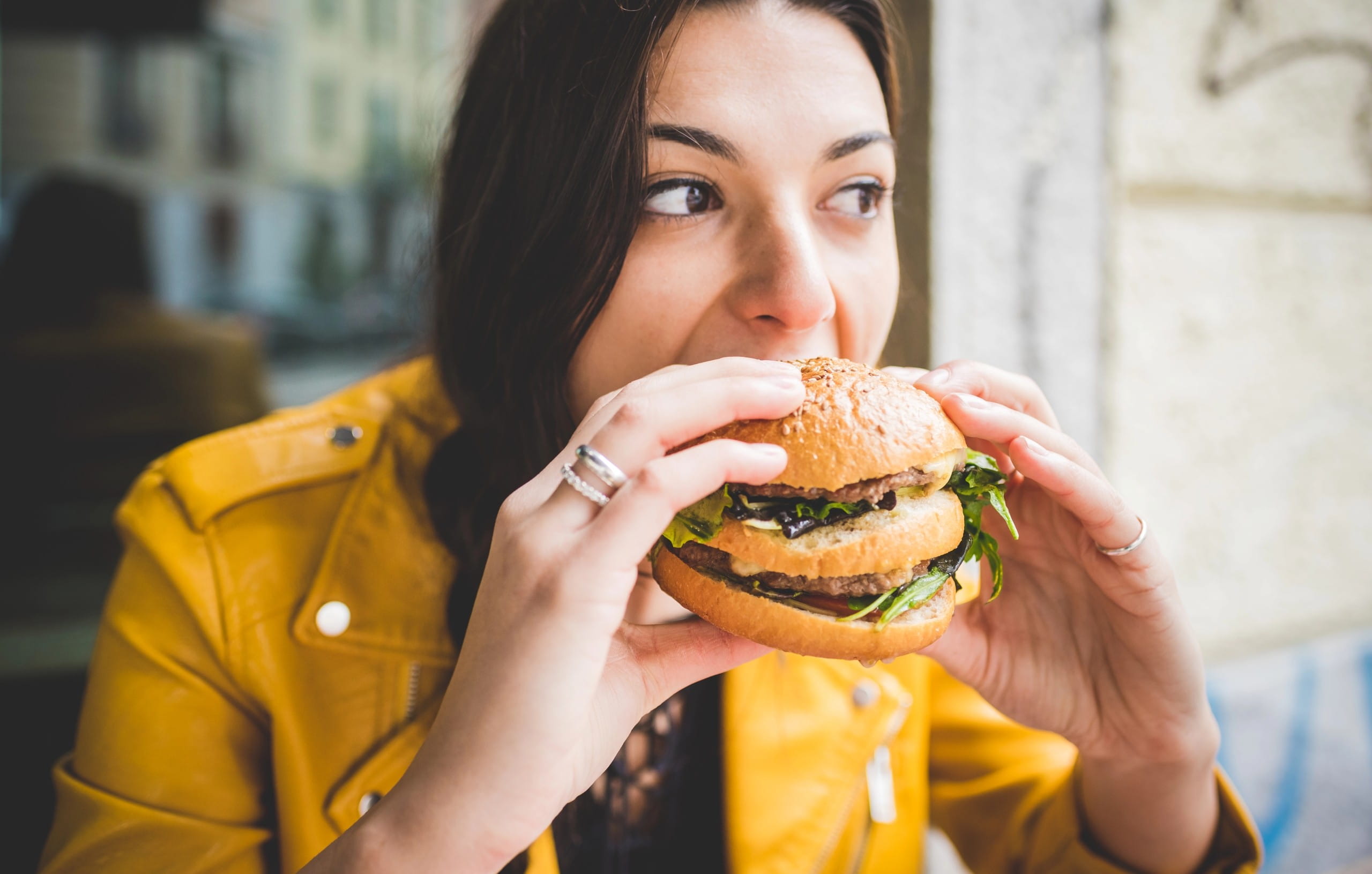
What You Notice First When Eating Fast Food on GLP-1
One of the first things that people notice when they are eating fast food while taking GLP-1 is that they feel full very quickly. A meal that you once finished easily may now feel like too much to handle after only a few bites. This is simply because your body is receiving stronger signals of fullness, and ignoring these signals will often lead to discomfort later on.
Another experience that can be shared is stomach upset. Fast food is typically high in fat and low in fiber, making it more difficult to digest, particularly if digestion is already slowed down by GLP-1. This can lead to nausea, bloating, heartburn, or a sense of feeling full for a long time. This is not harmful but is unpleasant and typically teaches the body which foods it no longer enjoys.
Why Fast Food Feels Less Satisfying Than Before
One of the things that people notice is that fast food no longer feels satisfying. You may still enjoy the taste, but the pleasure of eating is not there. You may feel satisfied emotionally before you are physically satisfied. This is because GLP-1 also affects the area of the brain associated with the pleasure of eating.
Fast food is typically associated with pleasure. However, GLP-1 reduces this pleasure. Therefore, fast food may not feel as enjoyable as it did before. This may feel strange at first, but it is a normal side effect of the medication.
How Fast Food Affects Blood Sugar and Weight Loss
For those taking GLP-1 to help with blood sugar, fast food may not have the same effect on blood sugar as it did before. This may be a good thing, but it does not mean that fast food is healthy. Fast food is still stressful to the body.
When it comes to weight loss, having one fast food meal will not reverse the progress that you have made. Issues typically begin when fast food is a regular part of your diet. Even in smaller amounts, calories can quickly add up, sodium will lead to water retention that can hide fat loss on the scale, and low-protein meals make it more difficult to maintain muscle mass while losing weight.
Why Some Fast Food Meals Cause More Issues Than Others
Not all fast food meals work the same way in the body when it comes to GLP-1. Meals that are high in fried foods, creamy sauces, large portions of bread or fries, and sugary drinks are typically the most problematic. These foods take longer to digest and will be harder on the stomach.
Meals that feature grilled protein, simpler ingredients, and smaller portions are typically easier to handle.
Many individuals find they can still eat fast food occasionally, but only certain foods and in much smaller amounts than before.
The Emotional Part of Eating Fast Food on GLP-1
Food is more than sustenance; it’s also a source of comfort, familiarity, and social connections. When fast food is no longer enjoyable, it can be painful, leading to feelings of disappointment or even sadness. This is understandable and should be dealt with compassion.
GLP-1 doesn’t mean taking food out of your diet. It assists your body in communicating more effectively. Over time, many people may naturally begin to favor foods that blend with them, rather than relying on willpower to avoid them.
Tips to Reduce Discomfort When Eating Fast Food on GLP-1
If you decide to eat fast food while taking GLP-1, the solution is simple: eat more slowly, stop eating when you feel full, drink water instead of soda, and avoid large meals close to bedtime. Paying attention to your body is more important than adhering to strict guidelines.
When Additional Help is Required
If fast food causes you to feel ill, hinders your progress, or creates difficulties with mealtime, it may be necessary to change your dosage, timing, or dietary plan. Everyone’s body reacts differently to GLP-1, and customized advice can make the whole process much easier.
If you would like personalized advice that is specific to your body and needs, you can schedule your free consultation here.